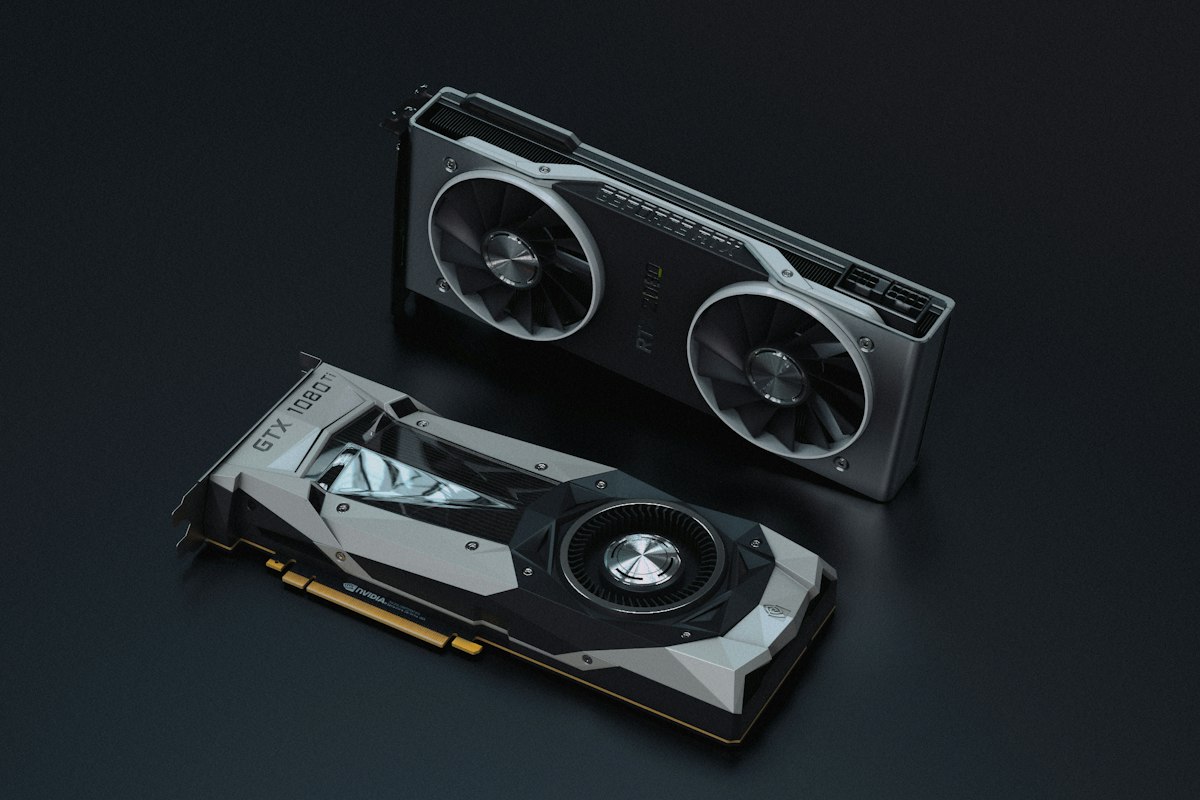
The card is expected to be based on NVIDIA’s next-generation Blackwell architecture, which analysts believe will focus heavily on AI acceleration, ray tracing improvements, and higher memory bandwidth for demanding workloads.
What the Latest Leaks Suggest
According to multiple reports circulating within the hardware community, the RTX 5090 may feature upgraded memory technology, higher power limits, and significantly increased compute performance compared to the current RTX 4090.
| Specification | RTX 4090 | RTX 5090 (Rumored) |
|---|---|---|
| Memory | 24GB GDDR6X | 32GB GDDR7 |
| Memory Bus | 384-bit | 512-bit |
| Power Draw | 450W | Up to 600W |
| Architecture | Ada Lovelace | Blackwell |
| AI Performance | High | Significantly Improved |
While specifications remain unconfirmed, several industry observers estimate performance improvements ranging between 30% and 50% in select gaming and AI workloads.
A GPU Built for the AI Era
The increasing importance of artificial intelligence is expected to play a major role in NVIDIA’s next flagship design.
Beyond gaming performance, the RTX 5090 could target creators, developers, and AI researchers who require substantial local compute power. Enhanced tensor cores and improved memory capacity may allow the GPU to handle larger AI models and advanced content creation workflows more efficiently.
Industry analysts believe NVIDIA is positioning its next-generation products to capitalize on continued demand for AI computing across both consumer and professional markets.
Power Consumption Raises Questions
One area attracting discussion is the rumored increase in power requirements.
Several reports indicate the RTX 5090 may require up to 600 watts under heavy workloads, potentially making it one of the most power-hungry consumer graphics cards ever released.
Such a jump would likely require upgraded power supplies and improved cooling solutions, particularly for enthusiasts building high-end gaming or workstation systems.
Despite concerns regarding efficiency, many enthusiasts argue that substantial performance gains could justify the increased power draw.
Expected Release Timeline
NVIDIA has not announced an official launch date for the RTX 5090. However, industry speculation points toward a reveal during the company’s next major hardware event, followed by broader market availability shortly thereafter.
As with all pre-release information, specifications and launch timelines remain subject to change until confirmed by NVIDIA.
Why It Matters
The RTX 5090 is shaping up to be more than a routine hardware refresh. If current reports prove accurate, NVIDIA’s next flagship could redefine expectations for gaming performance, AI acceleration, and content creation capabilities in the consumer GPU market.
With competition intensifying across the semiconductor industry and AI workloads becoming increasingly mainstream, the launch of the RTX 5090 may become one of the most closely watched technology releases of the year.
Technology Times will continue monitoring developments and update this story as additional information becomes available.